Lookalikes
Lookalikes
A lookalike is a visual double – someone who bears an uncanny resemblance to another, typically a public figure such as a film star, politician, or celebrity (today, however, thanks to facial recognition algorithms and the vast archive of billions of images scattered across the internet, even completely unknown individuals can search for their lookalikes among other no-names). The term also extends into the digital realm, referring to people who leave similar ‘digital footprints’ online – profiles that allow for precise targeting through algorithms that sort us into patterns.
The joint exhibition by Katarzyna Kozyra and Sebastian Winkler delves into themes of multiplication, mirroring, doubling, twins, and clones. This duality becomes, at times, an operation on identity (a process of identification or disidentification), a playful interaction with the viewer and a reflection on the machinery of visual culture. The exhibition also poses a provocative question: could, despite their many differences – including gender, orientation, generation, and medium of expression – Winkler and Kozyra be, in fact, each other’s lookalikes? Beyond Sebastian naming Katarzyna as an artistic influence, their shared interests and aesthetic instincts suggest a more profound affinity. Popularised through the title of exhibitions in Ostrava and Bielsko-Biała, Kozyra’s declaration that she is drawn to ‘being somebody who you are (not)’ – to embodying other characters and roles, to the act of doppelgänging [1] – evolves into a deeper exploration of ‘(not) being somebody who you are’ [2]. This latter notion resonates particularly strongly with Winkler’s work, which centres on uncovering, within the artist’s own fantasies and cultural landscape, elements that are deeply personal yet strangely alien – because they unavoidably originate from outside the self.
Already seen (seen anew)
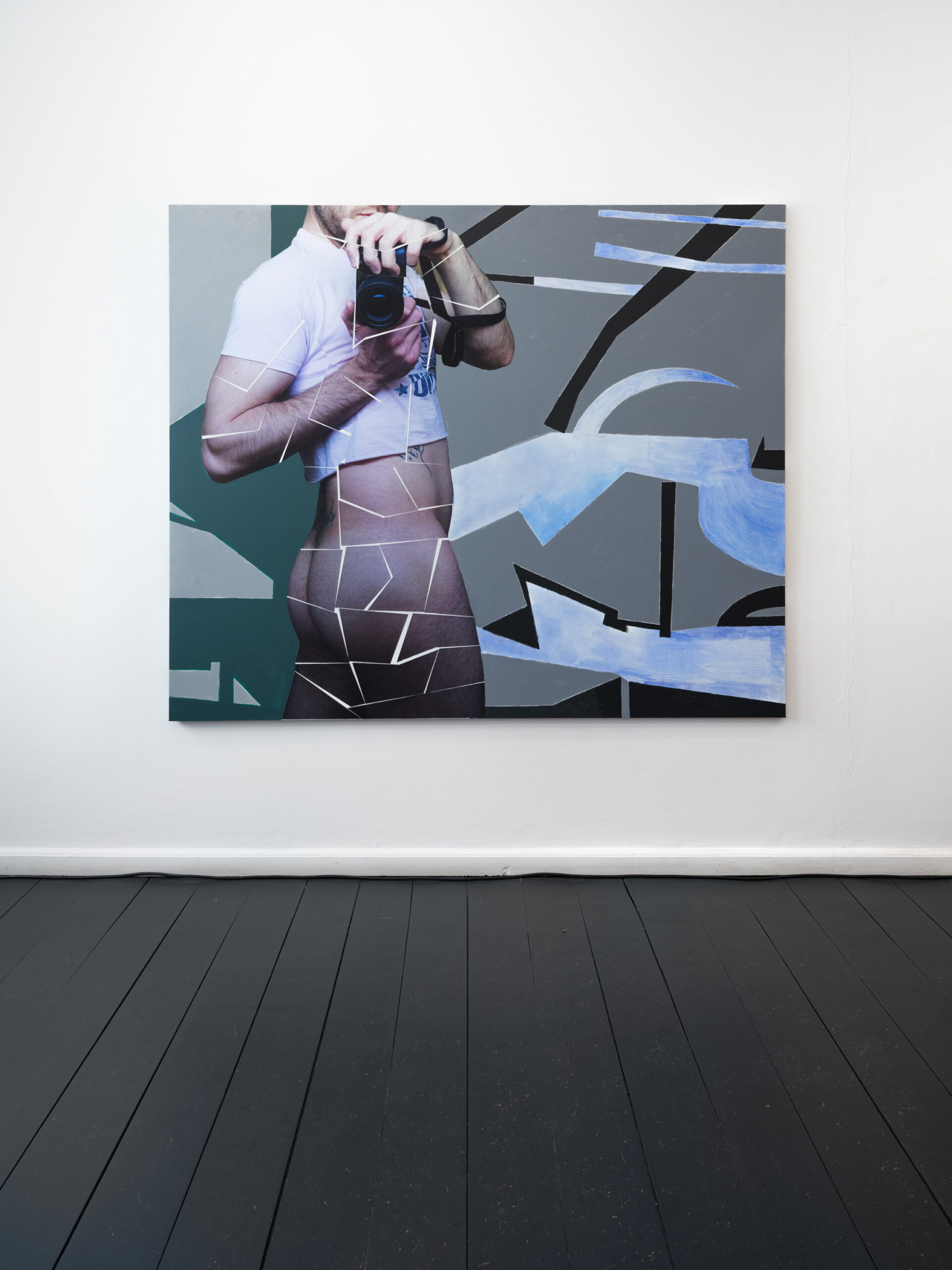
Winkler’s painting Déjà vu portrays the artist himself dressed as Catwoman. Both the title and the doubled figure in the image evoke the Wachowski sisters’ The Matrix (1999). In one iconic scene, the protagonist Neo experiences déjà vu – the uncanny sense that a moment is repeating itself. In this instance, it’s triggered by the sight of a black cat passing by twice. ‘A déjà vu is usually a glitch in the Matrix. It happens when they change something’, explains Trinity, a fellow hacker. Here, doubling becomes more than just a motif; it’s a bug, a glitch, a flaw in the system revealing its underlying structure. Trinity presses Neo: what exactly did he see – a similar cat, or the same cat? ‘I’m not sure’, he replies.
The video works by Katarzyna Kozyra presented in the exhibition are, quite literally, déjà vu – something already seen. They originate from the series In Art Dreams Come True (2003–2008). These are the very same videos shown nearly two decades ago, yet they prompt the question: are they still the same, or have they already acquired new meaning?
In the film In Tribute to Gloria Viagra: Birthday Party (2005), the theme of duplicity is embedded in the performance itself: Kozyra plays the role of a double – or, as the video reveals, a clone – of the Berlin drag queen and friend, Gloria Viagra. But the sense of doubling also extends to how these works are received today. On one level, they serve as elements of early 2000s culture and stand as testimony to Kozyra’s pioneering ventures – her bold forays into drag, using her own body as both subject and medium, and the audience’s reactions
as material. On another level, new interpretations emerge. In a time when drag culture has entered the media mainstream, familiar to wider audiences through slick, televised talent shows, In Tribute to Gloria Viagra no longer carries the same shock value or subversive charge.
In this way, controversy no longer overshadows the performance’s subtleties – its effortless fluidity, the ease with which Kozyra conceals and discards successive gendered layers, slipping between attributes of femininity and masculinity. It culminates in a playful, almost irreverent gesture: the casual removal of a prosthetic penis and its disappearance into a woman’s handbag. Watching the film, one easily sees why – despite not identifying as queer – Kozyra remains a source of inspiration for queer artists [3].
On Beauty (and monstrosity)
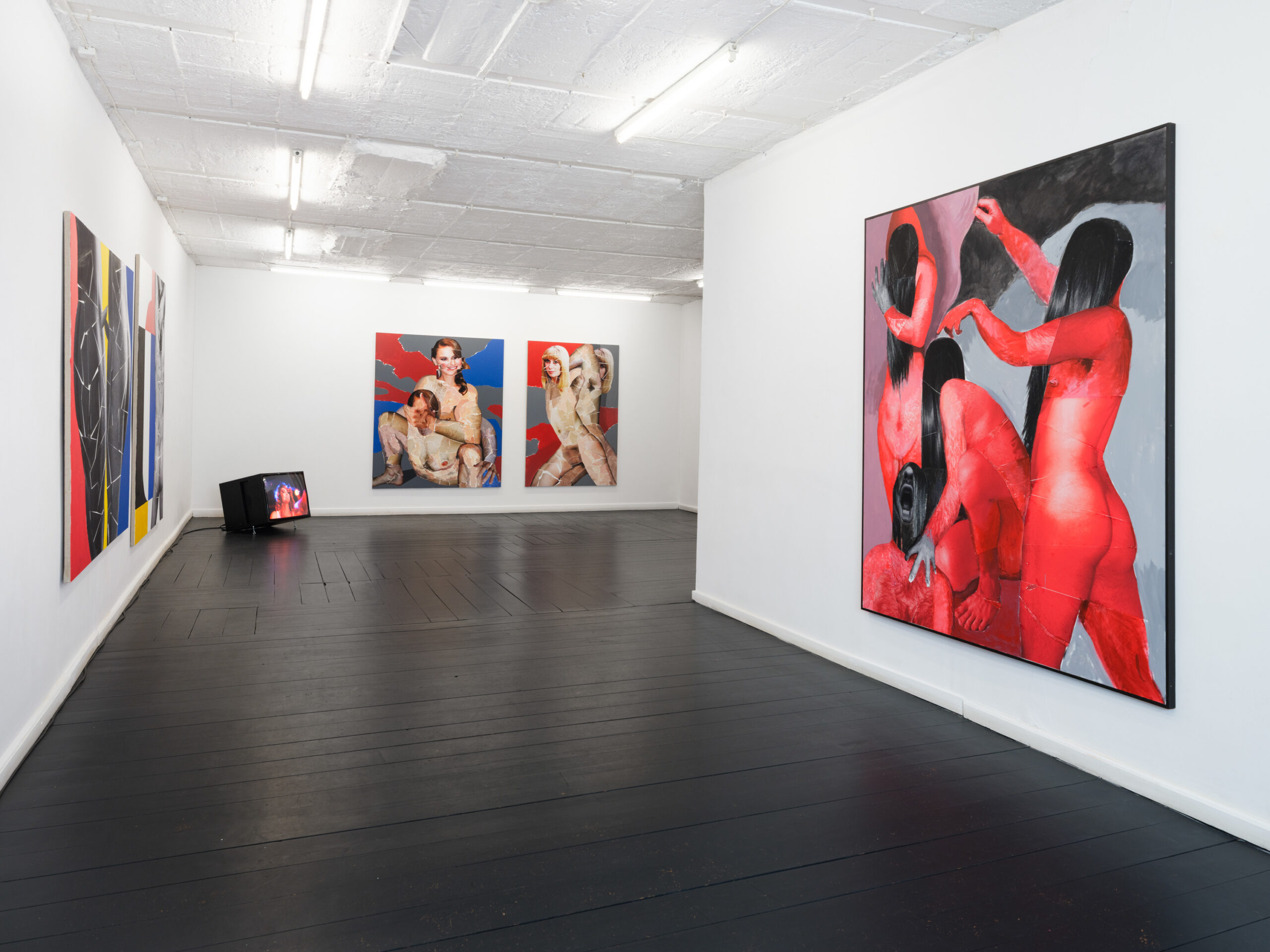
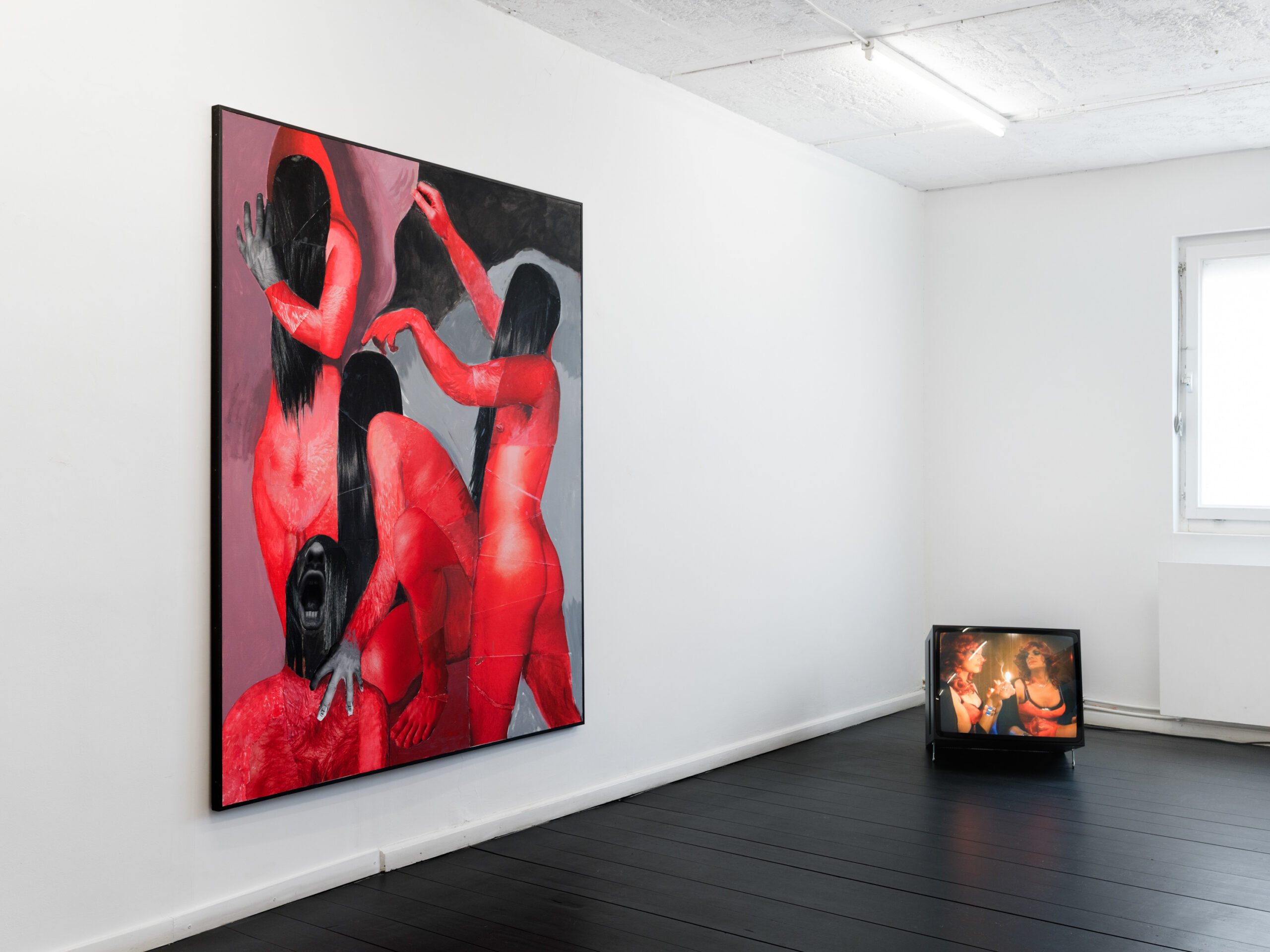
Lookalike Contest is the title of two works by Sebastian Winkler, each featuring duplicated images of Catherine Deneuve and Natalie Portman. The artist sourced these images from openly licensed repositories. Amid a sea of anonymous or aspirational snapshots – often poor in quality – it was these portraits, charged with iconic value, that captivated his attention. Photographs of celebrities released under open licences are rare, typically appearing only in exceptional cases (for example, the image of Natalie Portman used by Winkler entered the public domain solely because it was taken by a U.S. Army member and thus became government property).
The figures in Lookalike Contest appear as two-headed hybrids – perhaps even monsters – disturbingly entwined in a struggle, as if engaged in obscure machinations, manipulations, or acts of violence, exploiting the viewer’s gaze, which remains fixated on the visual allure of duplicated film star portraits.
But the fascination with lookalikes extends beyond fame. It is also rooted in the act of repetition itself. In Appearance as Gloria Viagra’s Clone at the Opening of the Exhibition “About Beauty” (2005), Berlin drag queen Gloria Viagra and Katarzyna Kozyra – appearing as her lookalike – stroll leisurely through the exhibition: laughing, chatting, using the loo. It seems that it is their make-up – which transforms them into queer doubles – that bestows upon them a quasi-celebrity status. This is what causes visitors at Berlin’s Haus der Kulturen der Welt to follow the performers with their eyes, initiate interactions, take pictures with them, and, ultimately, pay more attention to them than to the works of art on display.
(De)montage of Attractions
Kozyra’s third work featured in the exhibition, Il Castrato (2006), draws on the aesthetics of Baroque opera. In this piece, Kozyra assumes the role of a drag queen, led from the crowd to the centre of the stage, where she is undressed and subjected to a ceremonial castration – the cutting off of a prosthetic penis with scissors. As described on the artist’s website, this work represents an escape from the doppelgänging: ‘Whereas in earlier projects in the series Kozyra sought to incarnate herself, to transform … into a woman, a princess, a star, in this episode she returns to her boyish appearance in order to perform an almost literal castration on herself, posing the question: is gender just a costume?’[4] The reactions of the audience, combined with the soundtrack, create a peculiar emotional landscape – one that mixes excitement with enthusiasm, yet is strangely devoid of the usual castration anxiety. Kozyra’s castrato-style singing adds to the sense of a surreal happy ending, as though a dream were being brought to life through art.
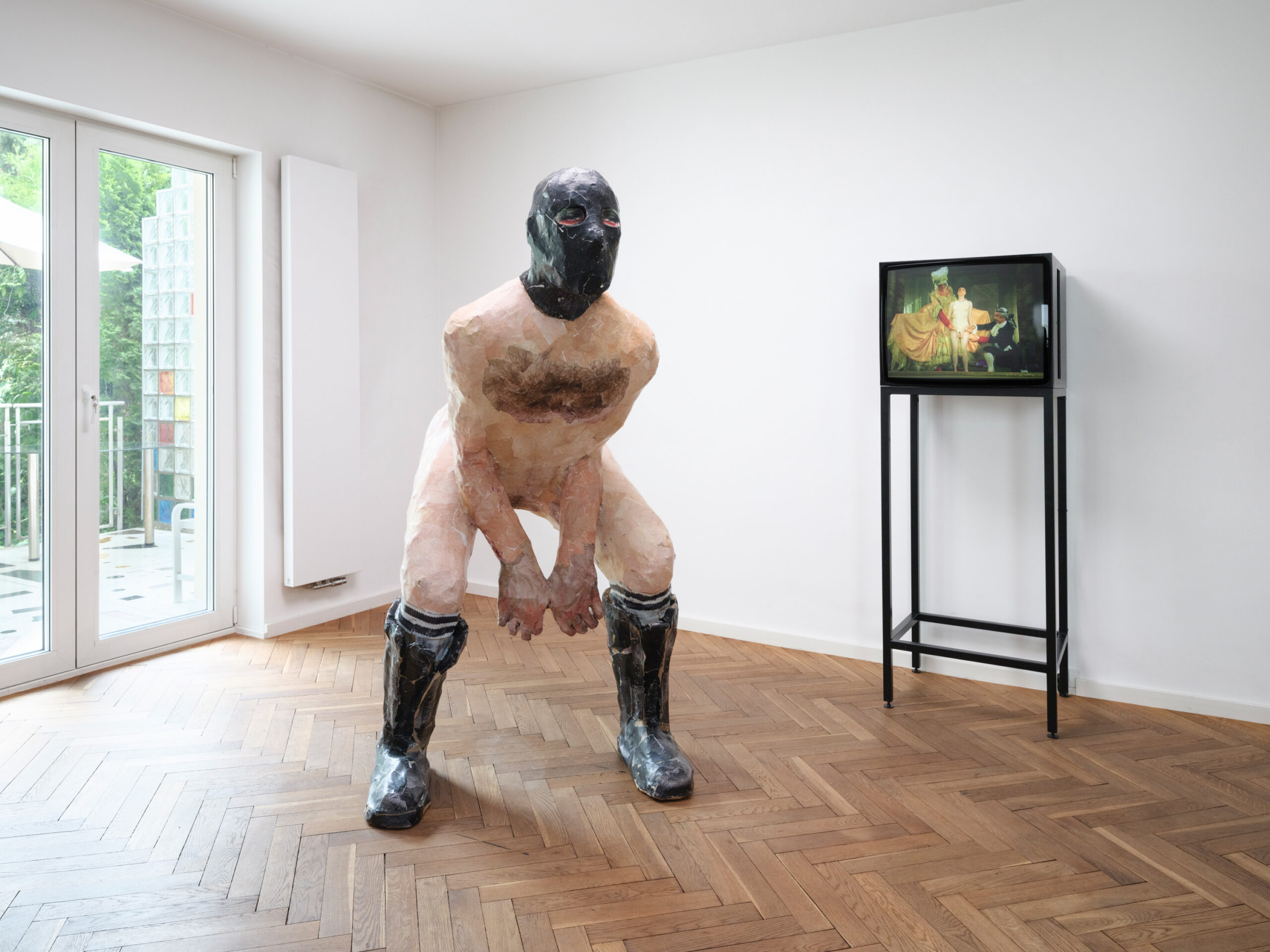
The theme of Kozyra’s video is echoed by a sculpture of a skinhead, standing, or – in fact – crouching in the centre of the exhibition space. Inspired by an amateur photograph discovered online, the sculpture alludes to pornographic imagery, BDSM fantasies, and the gay fear of queerphobic aggression. When compared to the photographic prototype, it becomes clear that the sculptural skinhead lookalike has been stripped of his penis. The expulsion of patriarchally celebrated phallic symbolism in favour of shamed anality underpins the work’s obscenity, while its awkward, oversized three-dimensional form ensures it is impossible to overlook.
[1] A. Wajs, Jezus. Nieodebrana wiadomość [in:] Być kimś, kim się (nie) jest, Katarzyna Kozyra Foundation / Galeria Bielska BWA 2025.
[2] K. Kozyra in interwiew with K. Plinta, ZMĘCZENIE: Na dodatek mam problemy z kolanem. Rozmowa z Katarzyną Kozyrą i Pamelą Bachar, Dwutygodnik.com, https://www.dwutygodnik.com/artykul/10661-zmeczenie-na-dodatek-mam- problemy-z-kolanem.html.
[3] As noted, apart from Winkler, by Karol Radziszewski, among others, see Katarzyna Kozyra in interview with Karol Radziszewski, W czyim imieniu mówią dinozaury? [in:] Być kimś, kim się (nie) jest…, op. cit.
[4] In Art Dreams Come True, KatarzynaKozyra.pl https://katarzynakozyra.pl/pl/prace-katarzyny-kozyry/147723-katarzyna-kozyra-w- sztuce-marzenia-staja-sie-rzeczywistoscia.
Text by Piotr Fortuna
Translation by Maria Wańkowicz
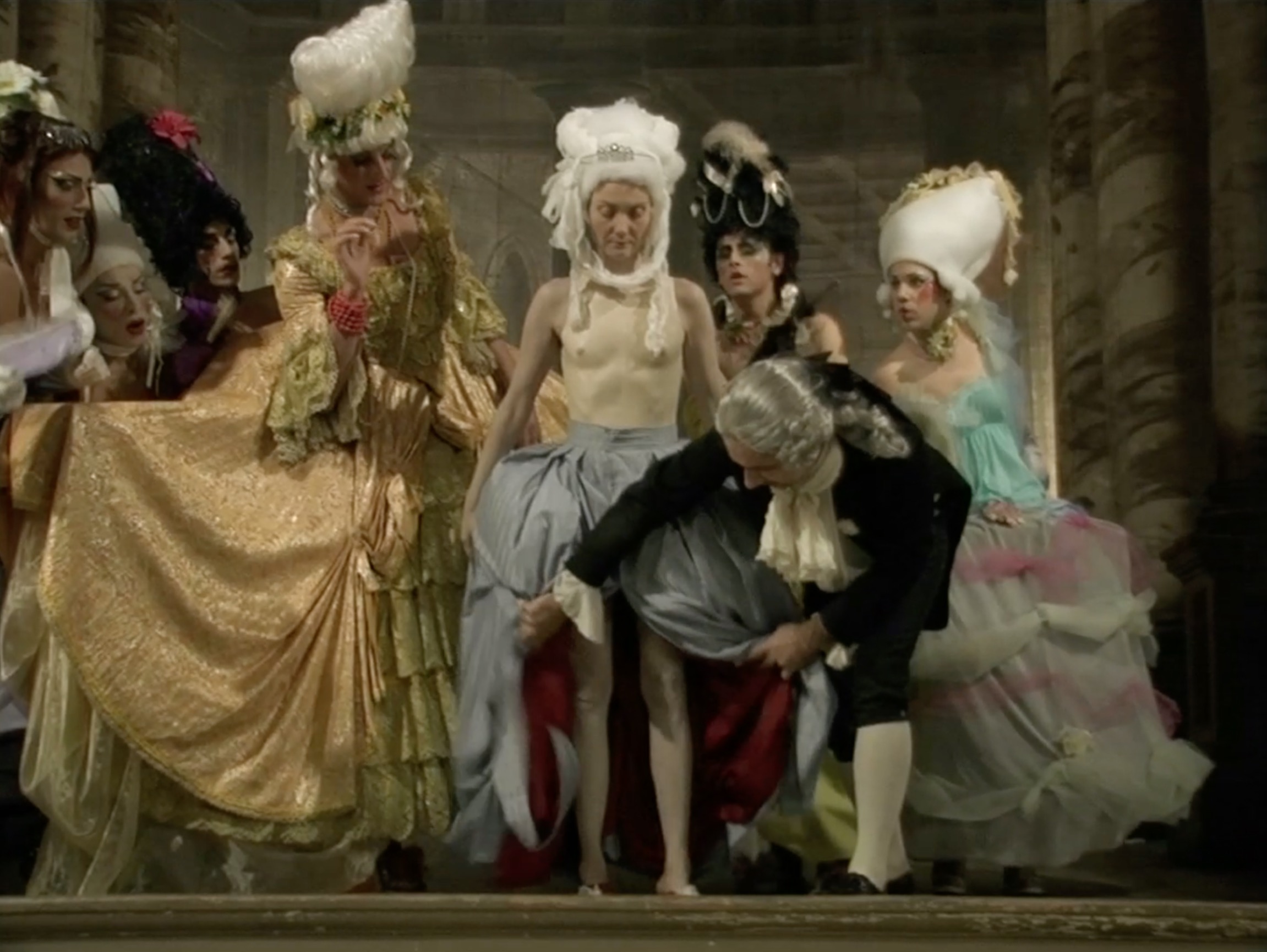
Katarzyna Kozyra, Il Castrato, 2006 – Performance and film from the series In Art Dreams Come True, 2003-2008 – One channel video (color), 4:3 PAL, sound performance: 9’40’’, film: 16’00’’
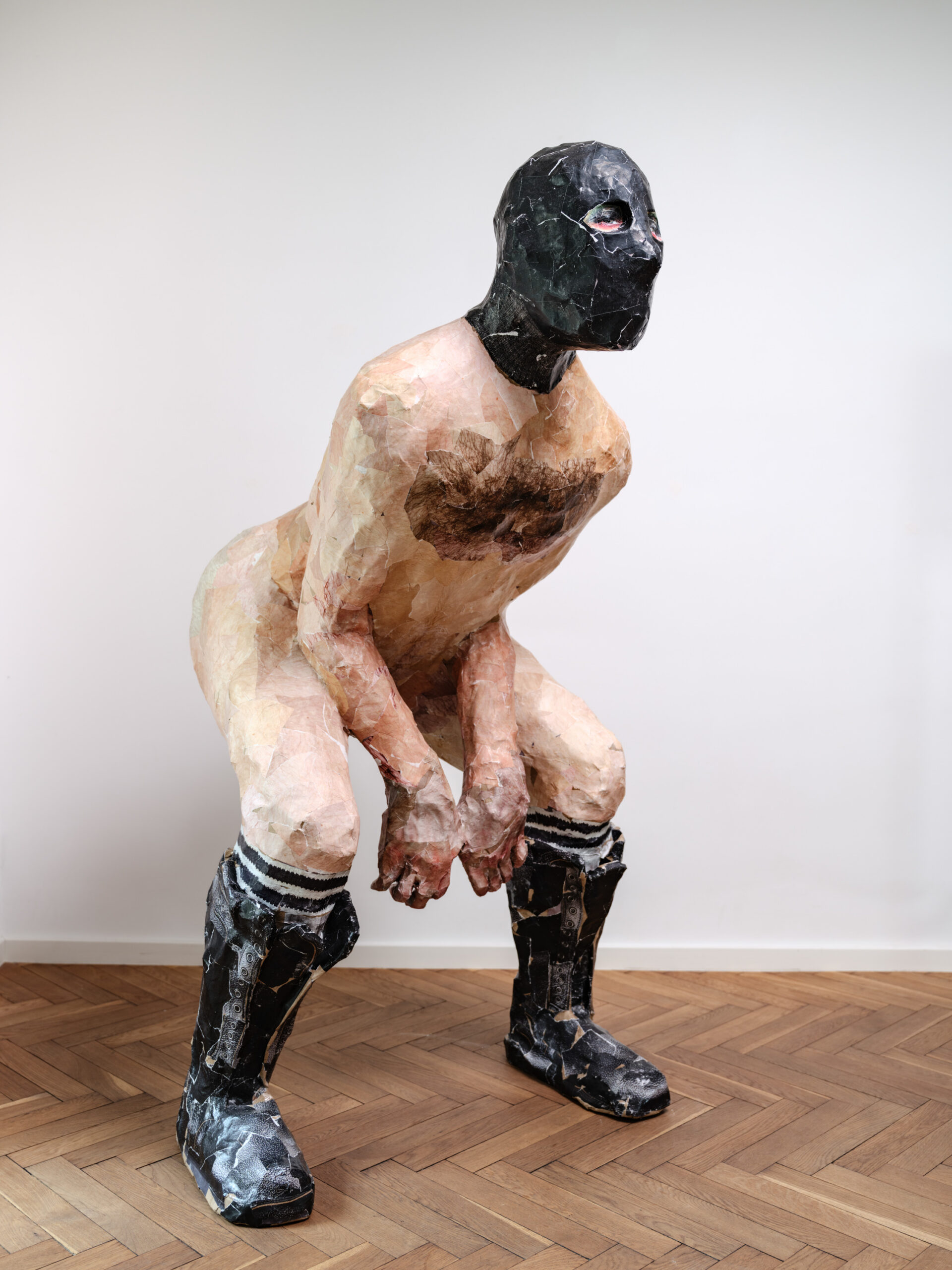
Sebastian Winkler, Skinhead_boots_football_socks_arse_, 2025 – Digital print, metal, polyurethane, 180 x 70 x 120 cm
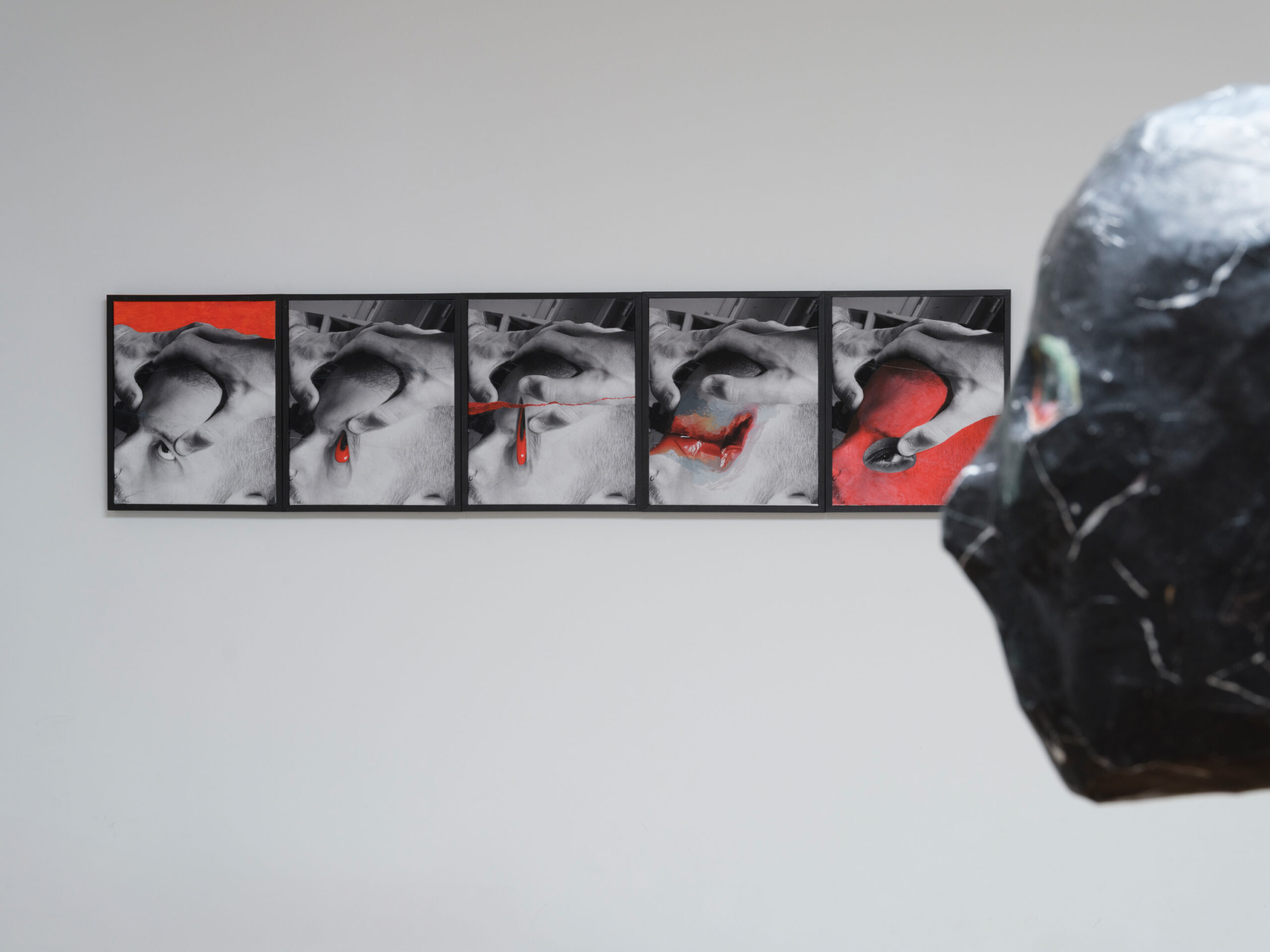
Sebastian Winkler, Look at Me, 2024 – Pigment print, glue, acrylic on canvas, 33 x 135 cm (polyptych)
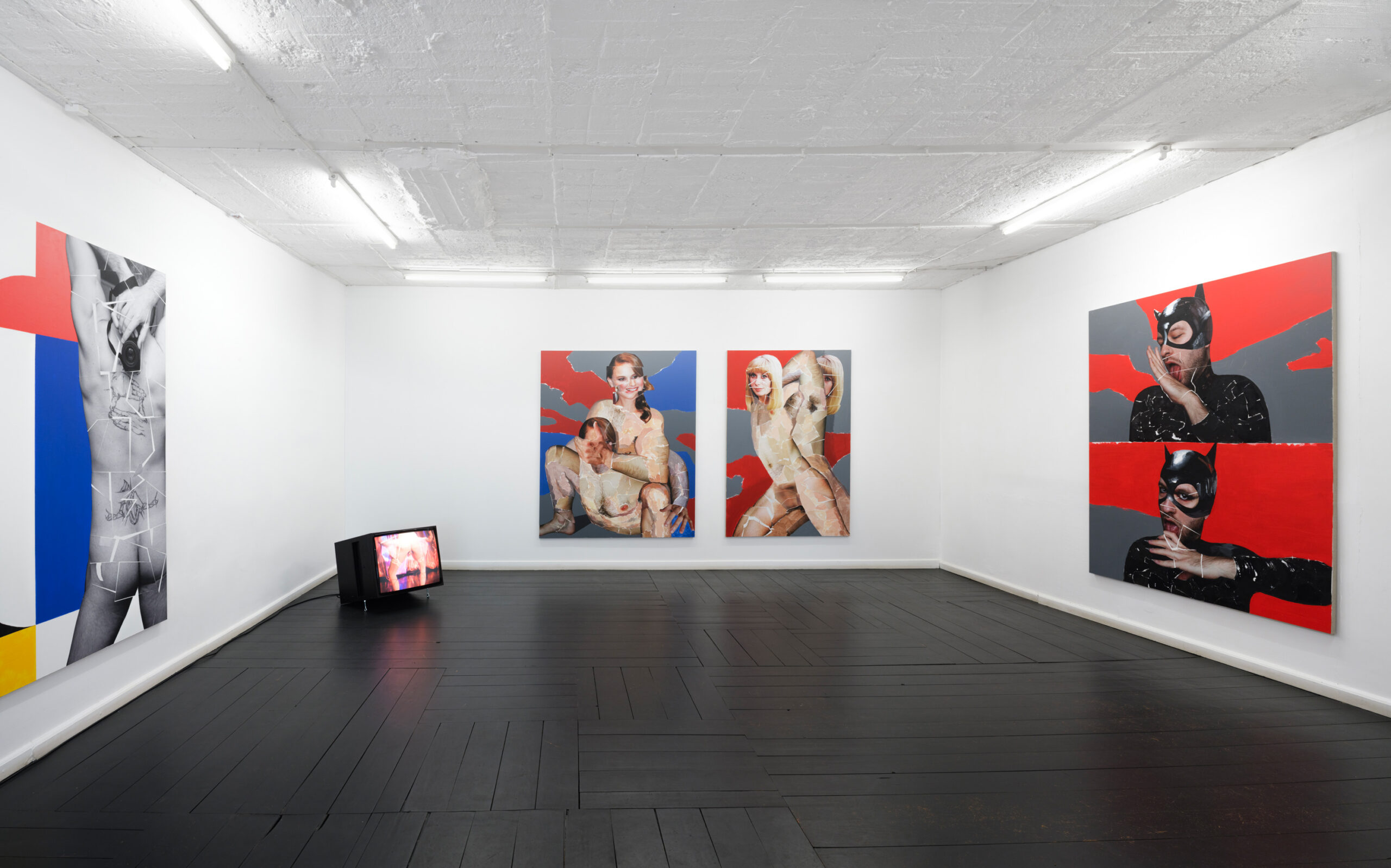
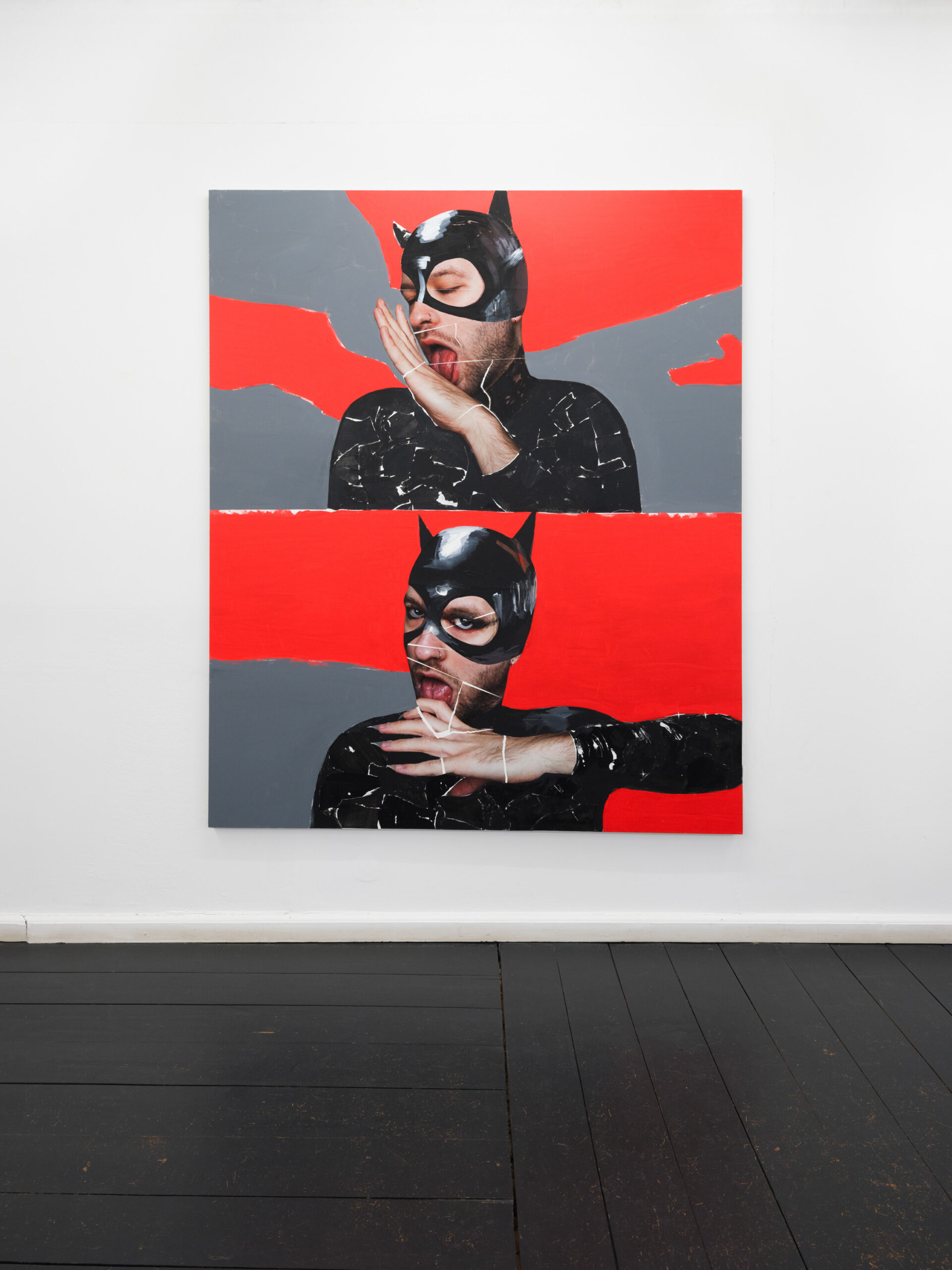
Sebastian Winkler, Déjà vu, 2025 – Inkjet print, acrylic on canvas, 180 x 150 cm
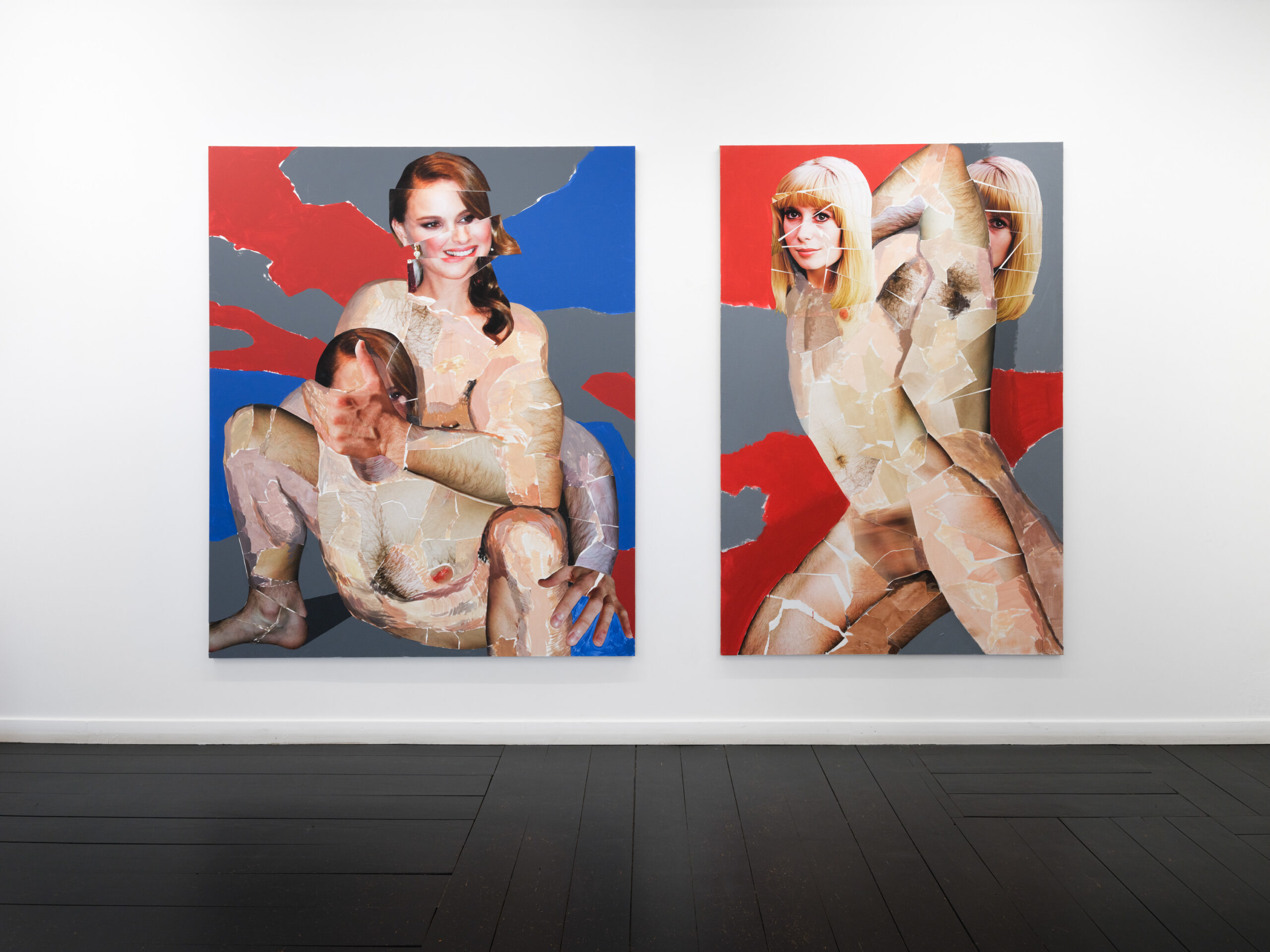
Sebastian Winkler, Lookalike Contest I, 2025 – Inkjet print, acrylic on canvas, 180 x 120 cm and Lookalike Contest II, 2025 – Inkjet print, acrylic on canvas, 180 x 150 cm
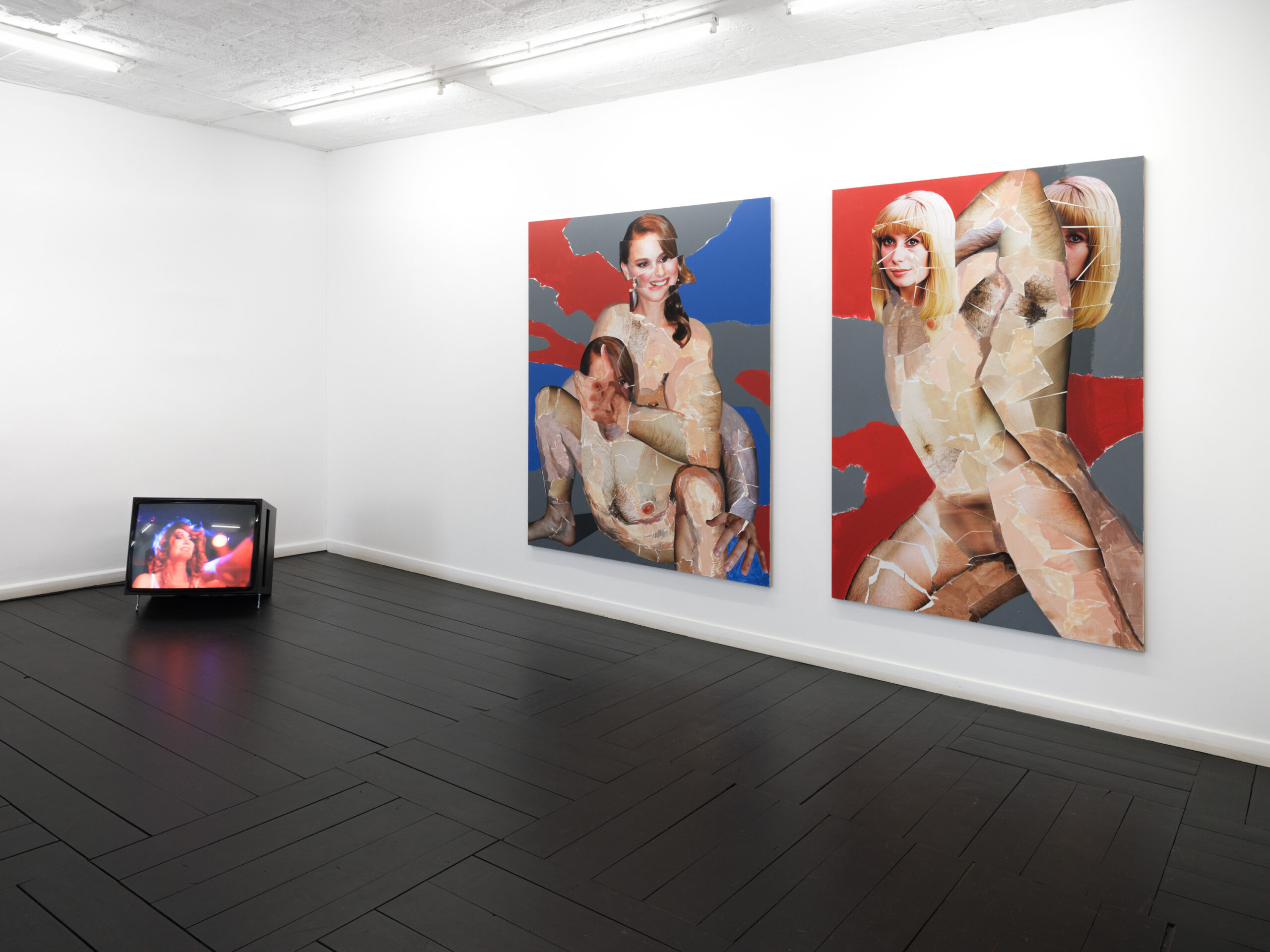
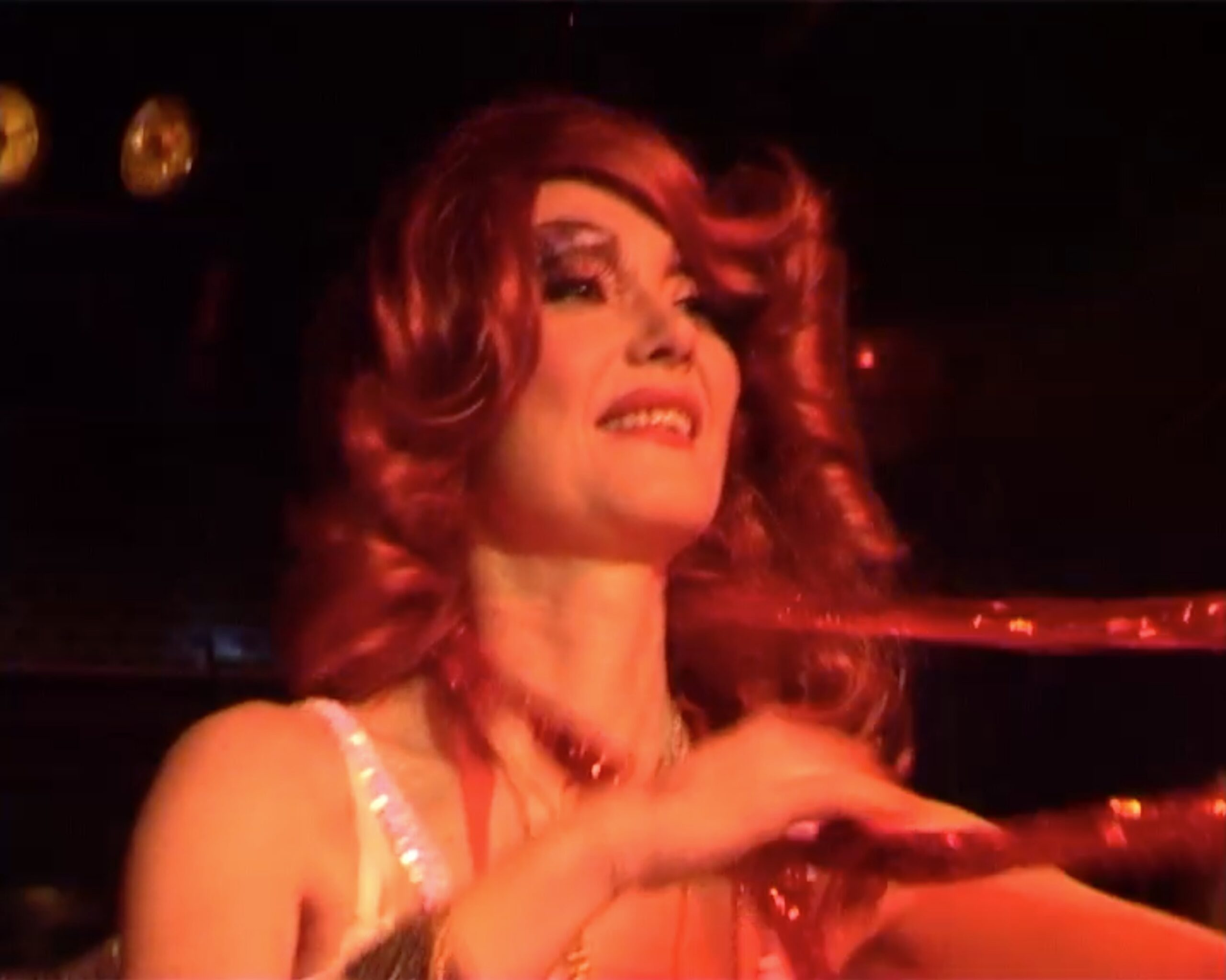
Katarzyna Kozyra, In Tribute to Gloria Viagra. Birthday Party, 2006 – Event from the series In Art Dreams Come True, 2003-2008, one channel video (color), 4:3 PAL, sound, film: 4’32’’
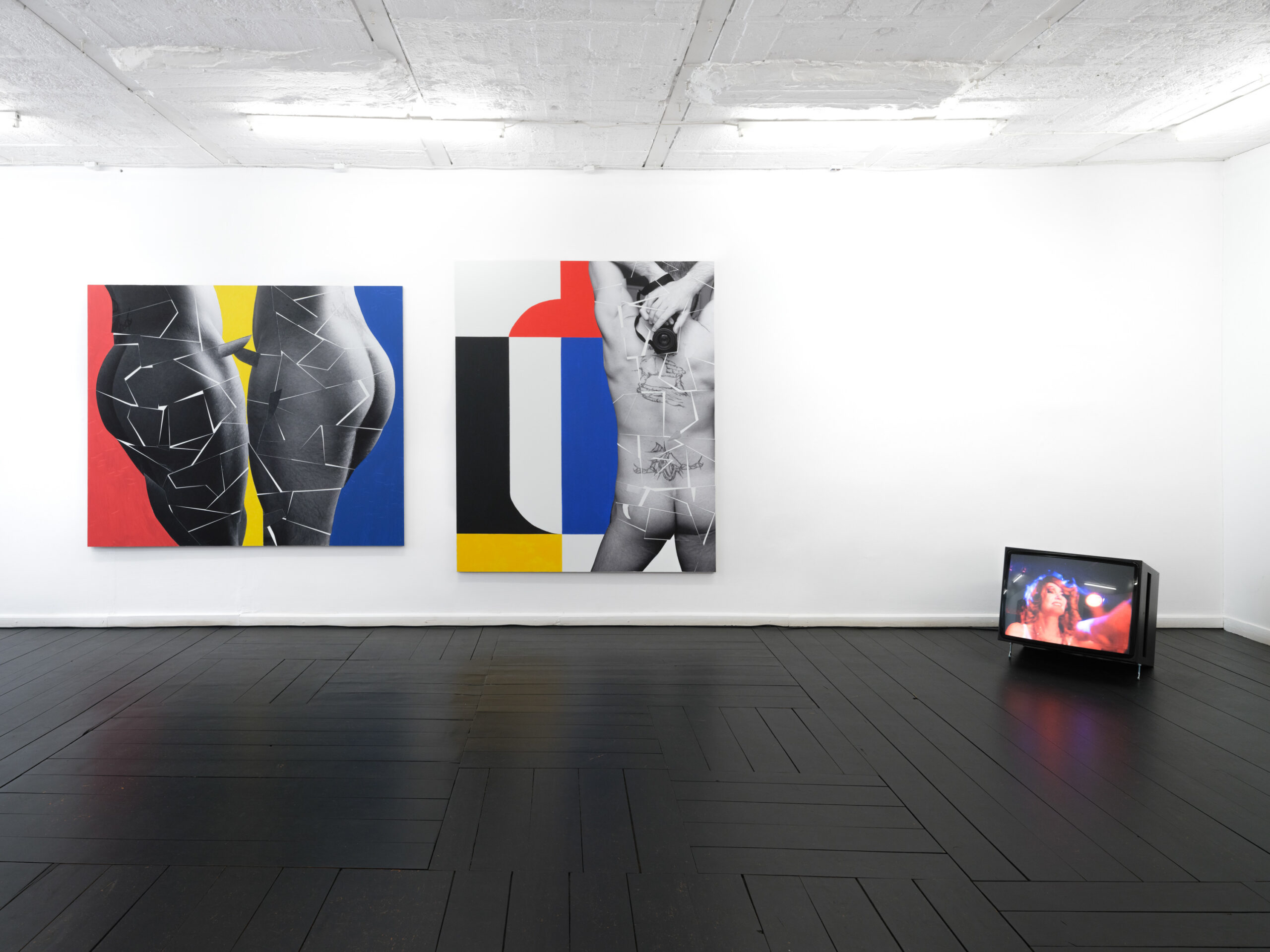
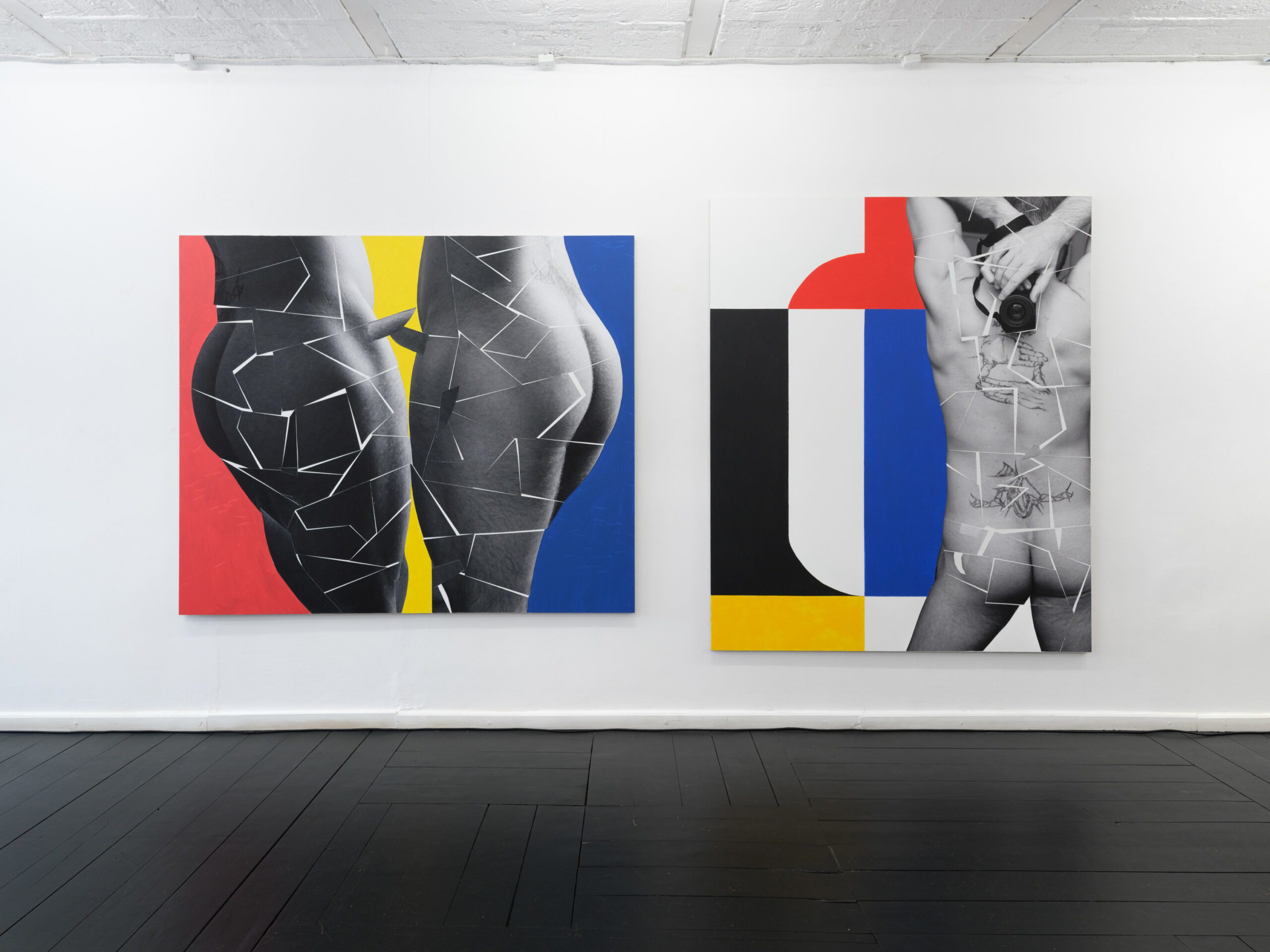
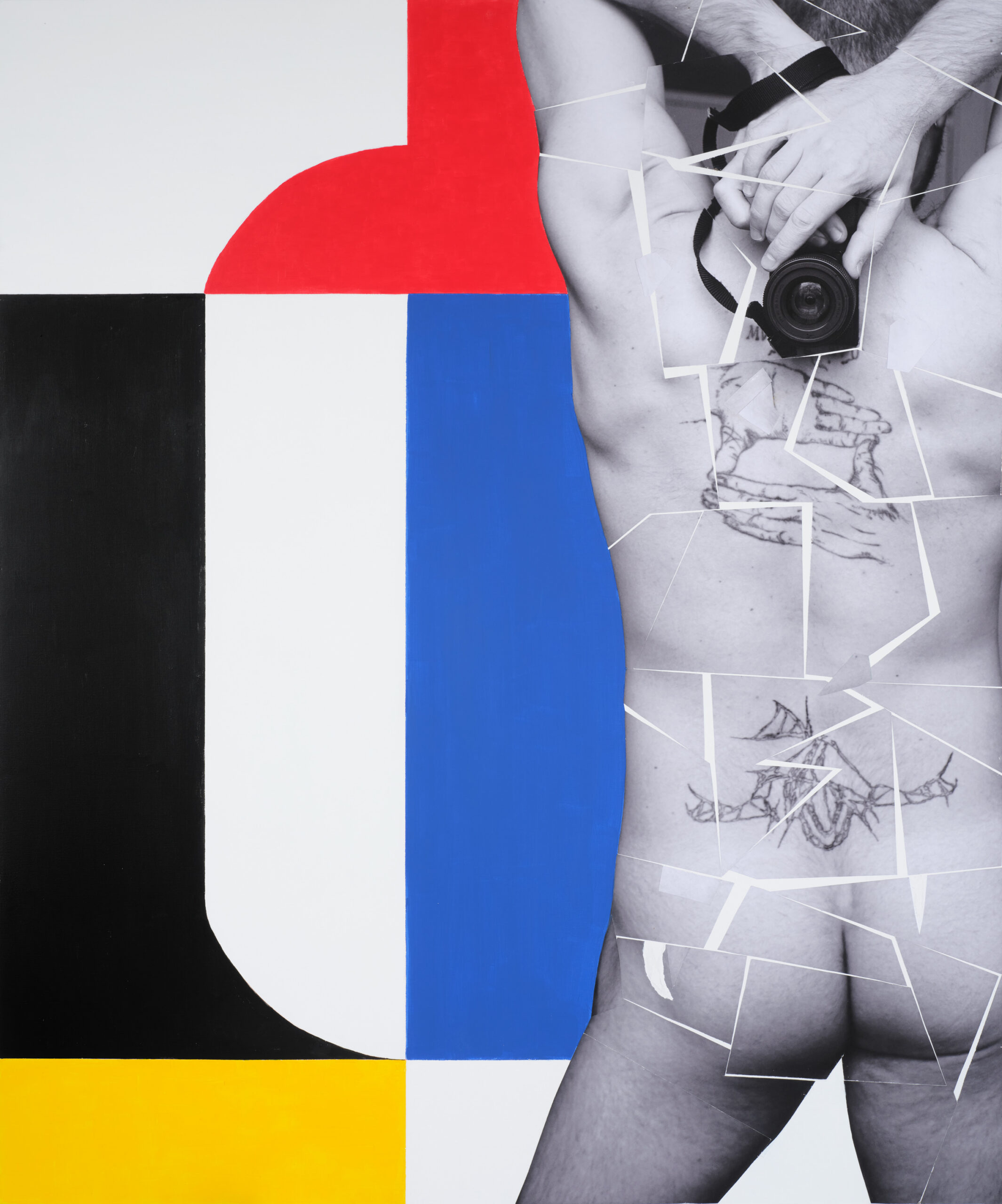
Sebastian Winkler, Slicing the Picture Plane Into Parts Causes Anxiety, 2025 – Inkjet print, acrylic on canvas, 180 x 150 cm
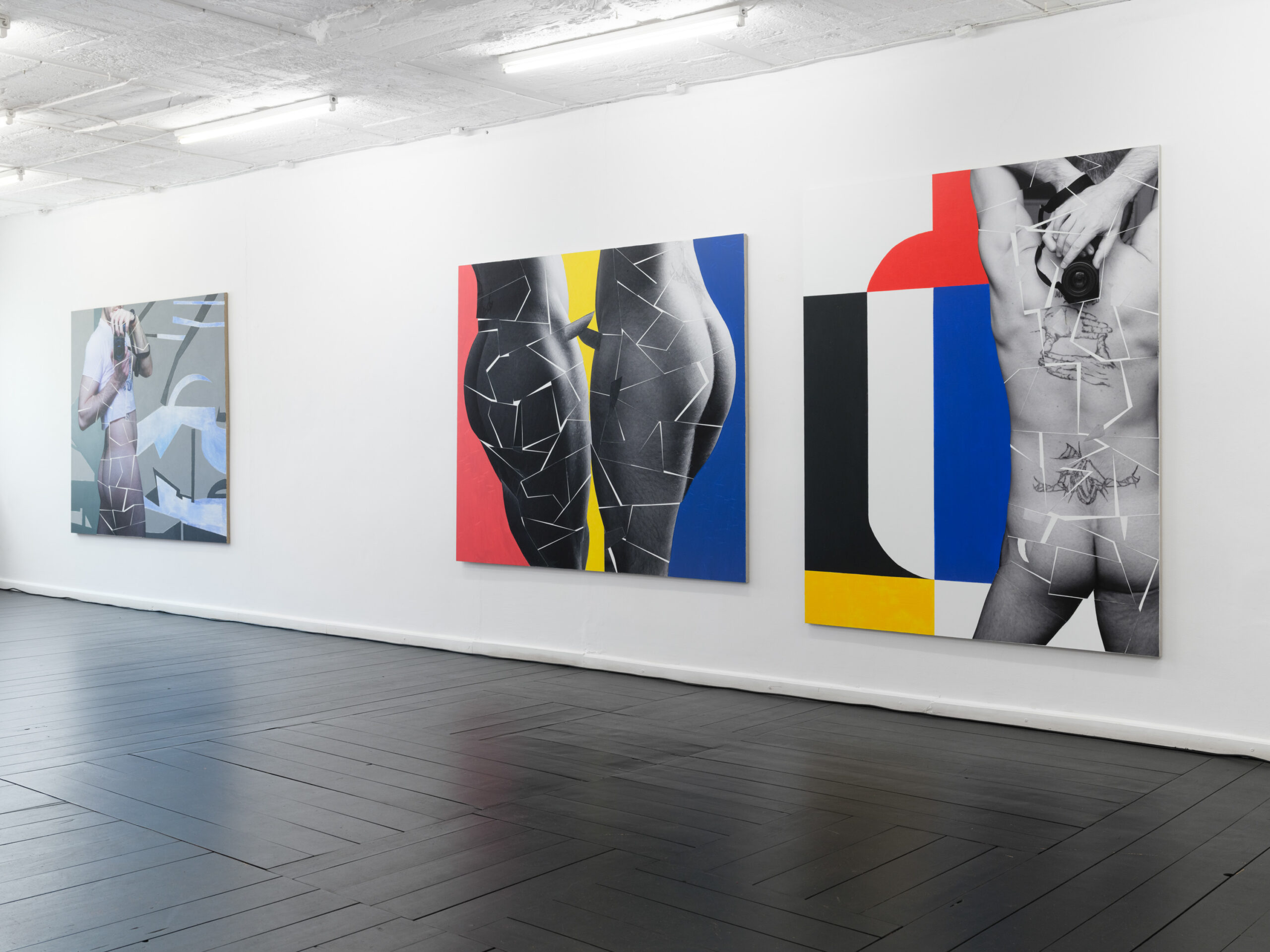
Sebastian Winkler, Come into my World, 2025 – Inkjet print, acrylic on canvas, 150 x 180 cm
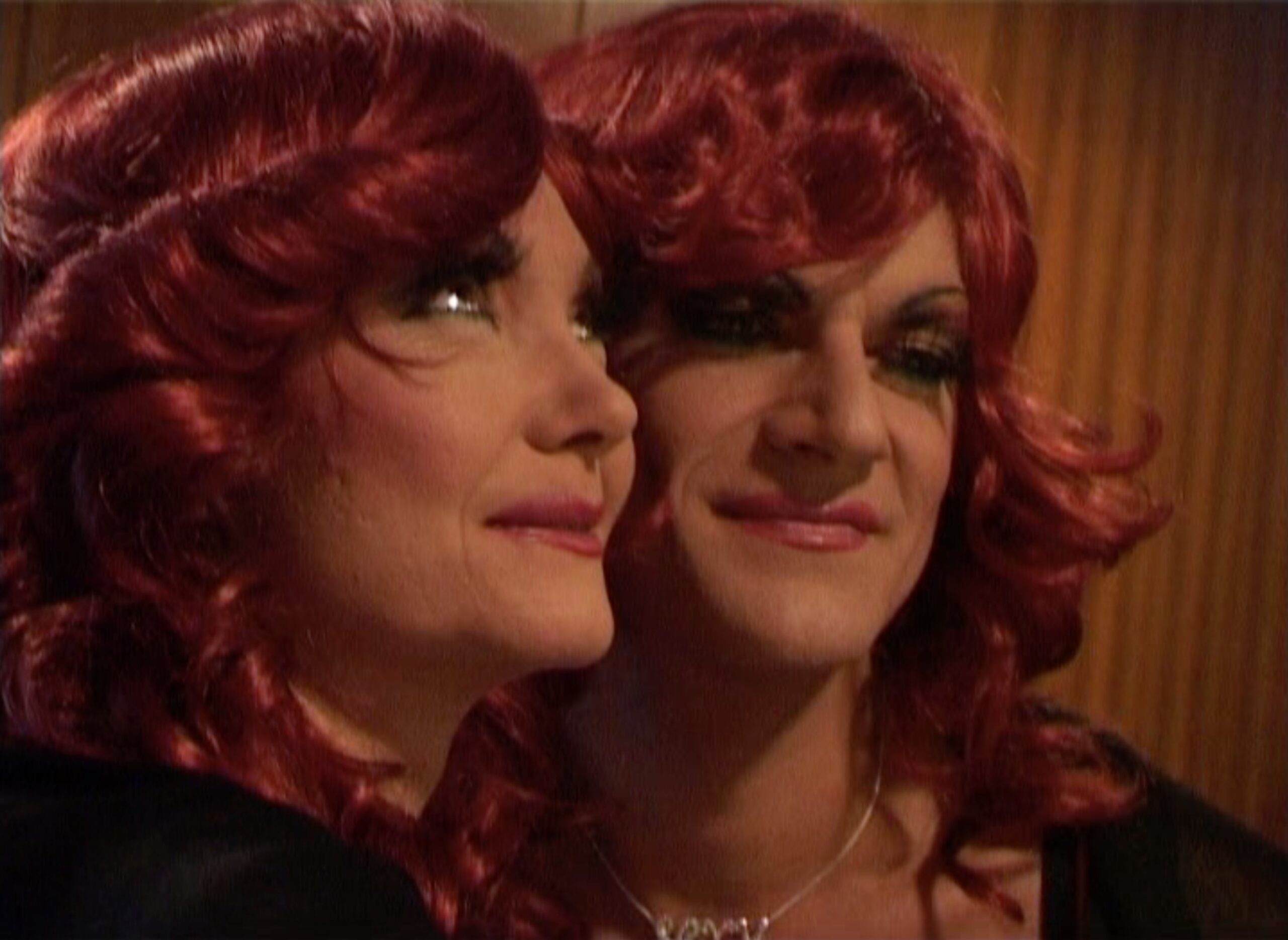
Katarzyna Kozyra, Showing up as a clone of Gloria Viagra at the opening of the exhibition „About Beauty”, 2005 – Crypto-performance from the series In Art Dreams Come True, 2003-2008, one channel video (color), 4:3 PAL, sound film: 5’34’
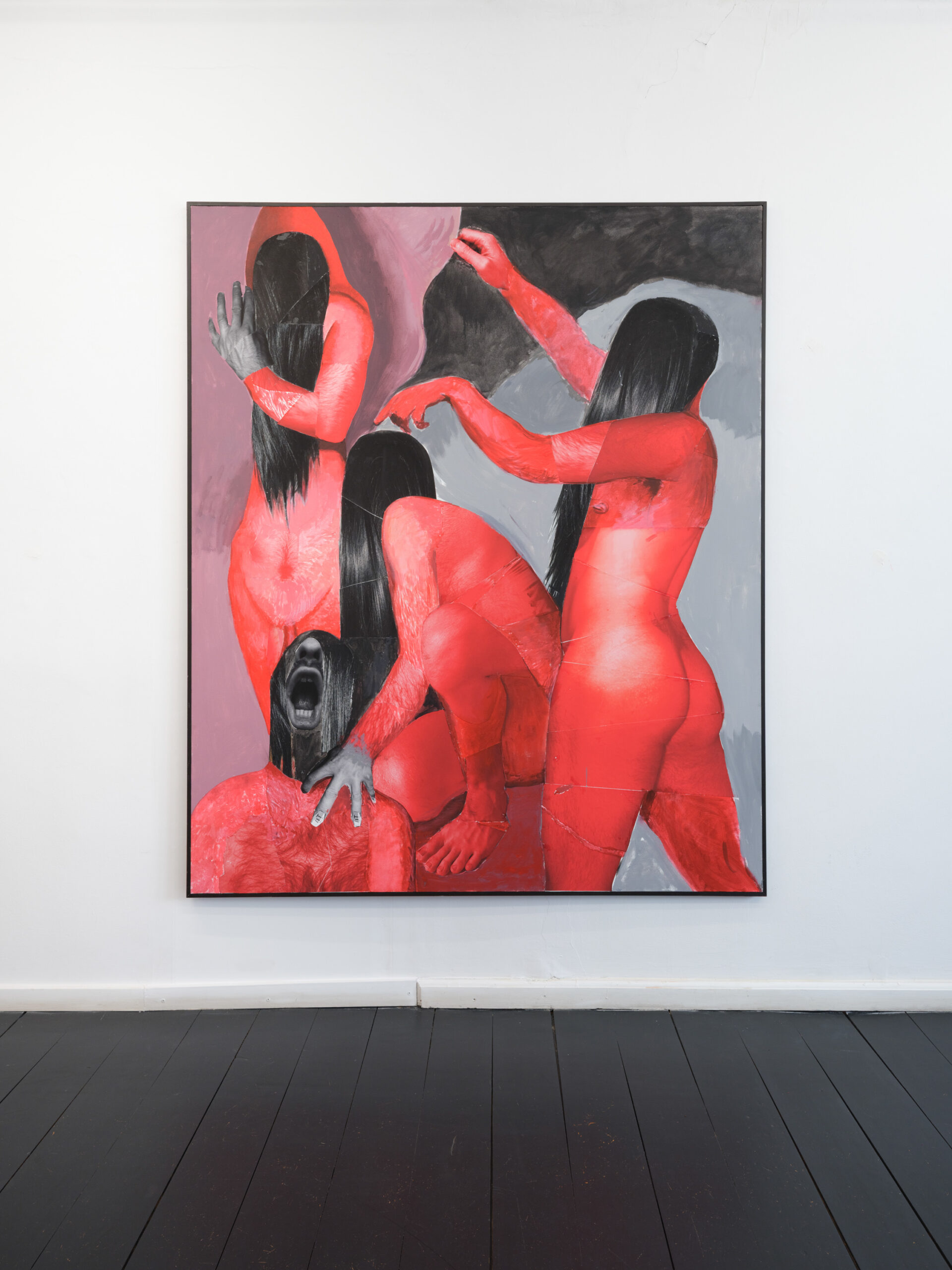
Sebastian Winkler, Bather II, 2024 – Inkjet print, acrylic on canvas, 180 x 150 cm